

Critics for years have alleged that Kaiser has not maintained adequate provider networks for mental health and substance use disorder care, forcing many patients to pay for health care services out of pocket. Mental health care workers said they first took their concerns to Kaiser management, where they were not addressed, then brought them to the attention of the federal labor agency.
In a statement, Kaiser attributed the lack of consistent access to care to surges in demand for mental health care treatment over the past six years, triggered by the pandemic.
“These challenges made it very difficult for our members to get consistent access to the care they needed when they needed it,” spokesperson Lena Howland said. “We are committed to reimbursing those members who tried but may have been unable to get timely care from Kaiser Permanente in that time.”
In the midst of a national mental health crisis, finding a therapist, especially one who accepts insurance, has become notoriously difficult as the field struggles with workforce shortages and low reimbursement rates.
Kaiser has grappled with these industry-wide challenges for over a decade. California regulators have repeatedly cited the company for making patients wait too long for mental health appointments, ordering Kaiser to address persistent issues.
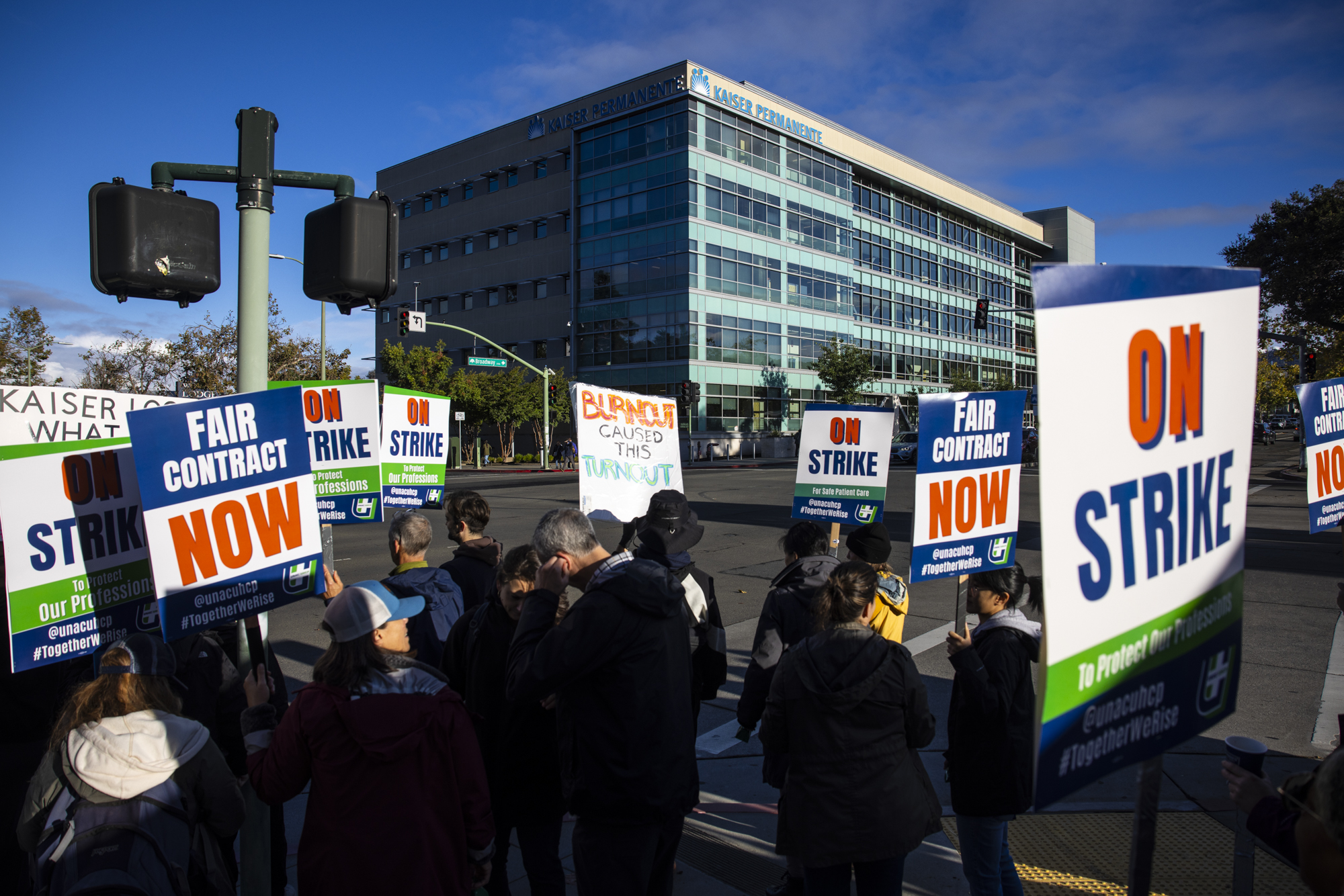
The National Union of Healthcare Workers, which represents Kaiser Permanente’s 4,800 mental health professionals in California and Hawaii, said Friday that the health care giant’s proposals in ongoing contract negotiations indicate that patients hoping for shorter wait times and greater access to therapists may expect business as usual.
“A lot of our therapists still can’t see patients for weeks at a time,” said Matthew Artz, a union spokesperson. “Some of them can’t ‘refer out’ to outside providers. And even if Kaiser is increasing its network, it’s doing other things to diminish care.”