
Altman’s attorneys argued that Musk’s case was baseless: not only was Molo’s characterization false, but they argued, the larger issue is that Musk’s contributions to OpenAI — in the form of rent payments, Tesla Model 3 cars and $25 million in quarterly donations — were never accompanied by specific promises for their use.
“If the donations came with no strings attached, then Mr. Musk does not have a charitable trust to enforce,” Sarah Eddy, an attorney for OpenAI’s defendants, said.
She and Altman’s lead counsel, William Savitt, also spent much of their closing arguments painting Musk as not wanting to protect humanity from AGI, as he’s suggested, but wanting to be the one who controls it.
They allege Musk brought his suit after he tried to wrest control of a potential for-profit arm of OpenAI, and later absorb the organization into Tesla, in 2017. The executives had begun discussing a for-profit expansion that year to solicit more funding for top talent and “compute” to compete with other industry leaders.
Musk departed OpenAI in February 2018, after a falling-out with the other executives over those discussions.
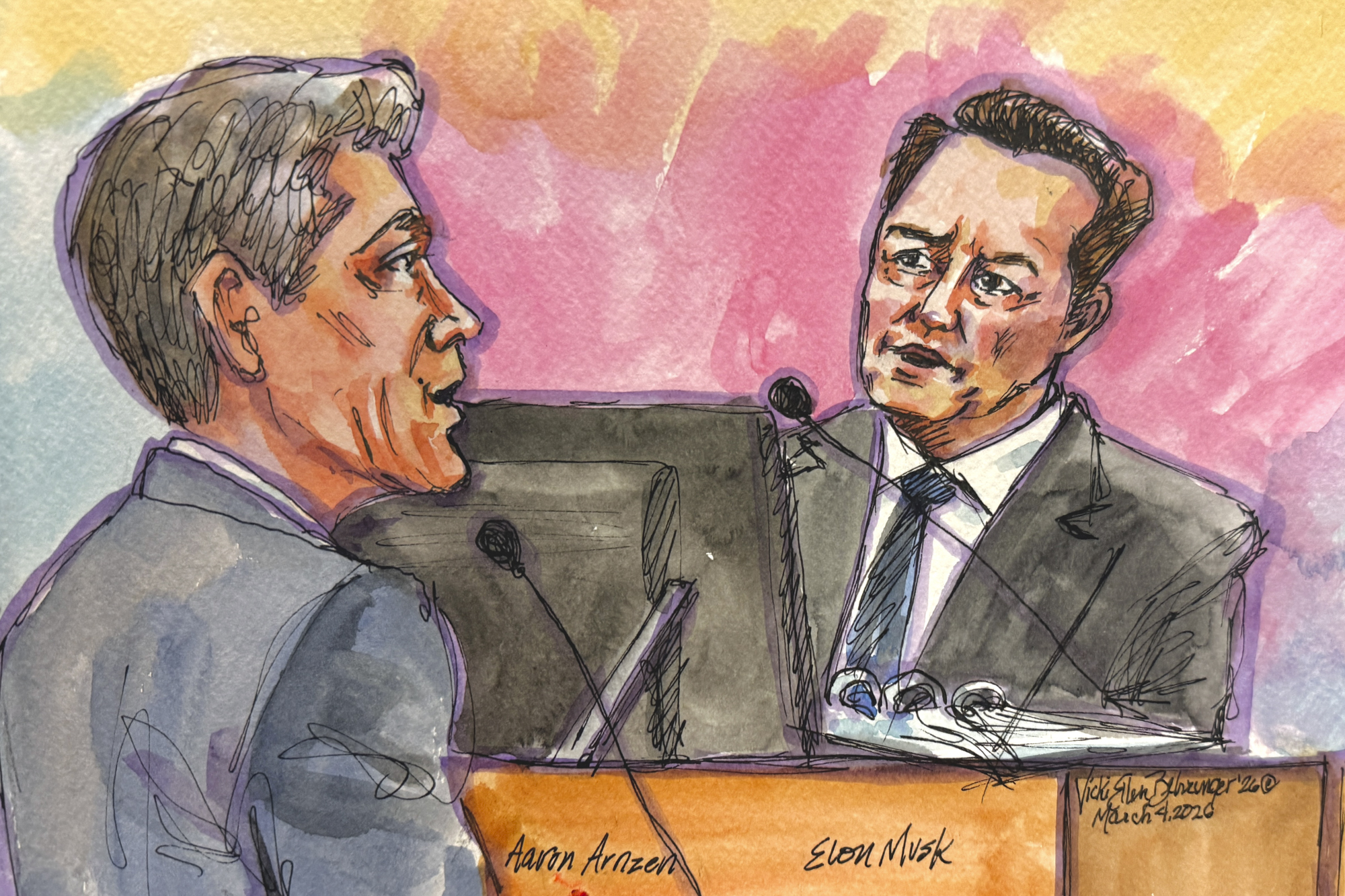
Shortly after, OpenAI decided to introduce a for-profit public benefit corporation. It has since become a $850 billion company, and is considering an initial public offering estimated at up to a trillion dollars.
OpenAI’s attorneys alleged that Musk saw OpenAI’s skyrocketing success and filed his suit to destroy a competitor in the field.
“The truth is that Mr. Musk wanted a for-profit AI, and he wanted to dominate it,” Eddy said.
The jury is set to begin deliberations Monday. If they side with Musk, OpenAI and Microsoft could owe $150 billion in damages to be redirected to the non-profit foundation, along with a court order dismantling OpenAI’s for-profit structure and removal of Altman and Brockman from their posts.
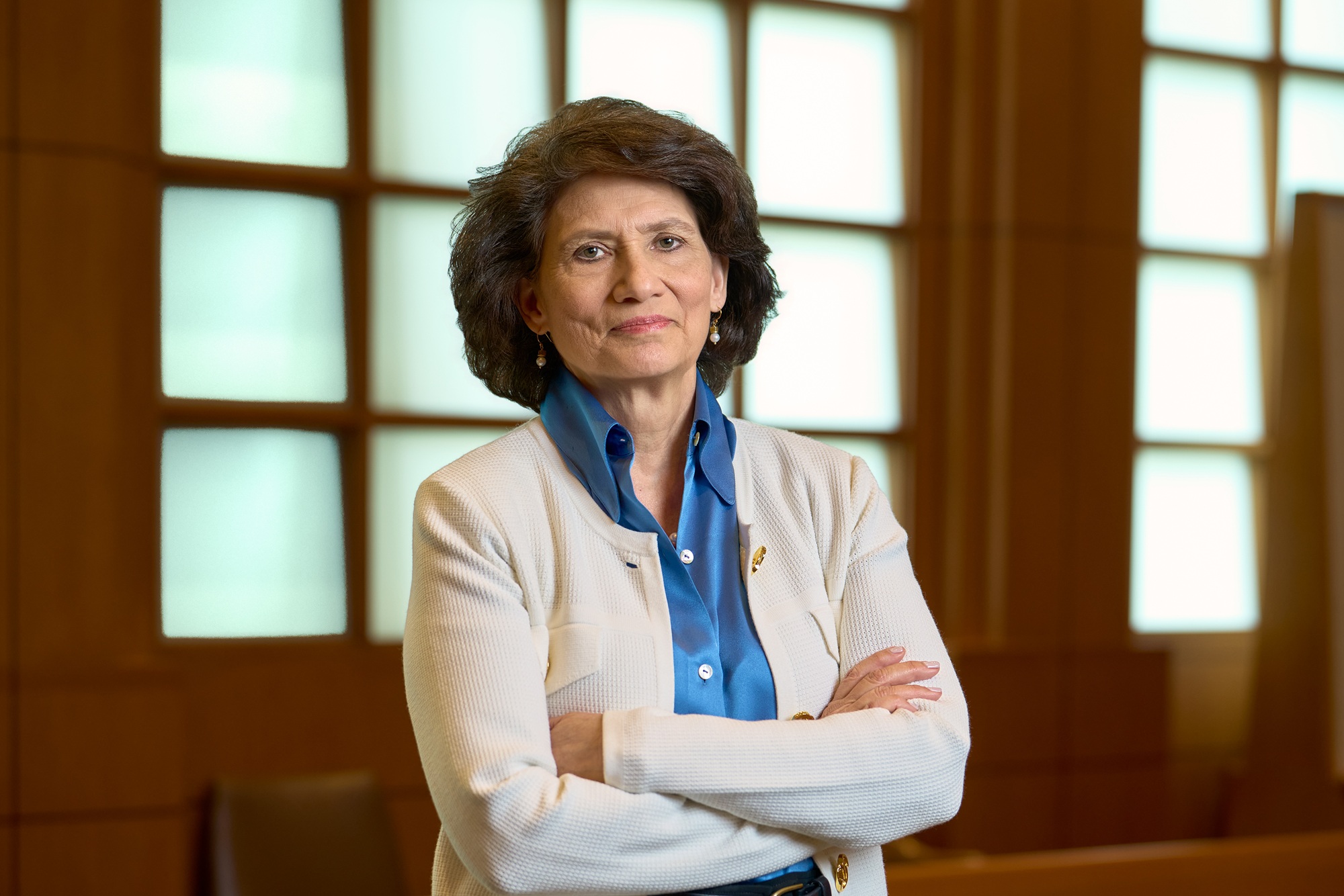
The jury will not have the final say, though. In a rare, but not unprecedented, move, U.S. District Judge Yvonne Gonzalez Rodgers will have the ultimate right to rule on the claims.
According to Charlie Bullock, a senior research fellow at the Institute for Law and AI, this is because most times, “equitable claims” — breach of charitable trust and unjust enrichment — which involve non-monetary remedies, are decided by a judge.
In this case, Gonzalez Rodgers elected to have an advisory jury, and Bullock said that typically, judges choose to go along with their decision.