

For the past four years, KQED’s Reparations Desk has reported on the people, policies and communities grappling with that legacy. Our journalism has explored how historic injustices continue to shape housing, wealth, education and opportunity, while documenting the growing movement to address those harms through reparations and other forms of redress.
But this work is about more than policy. It is about repair. What does it mean to repair damage that accumulated across generations? What does accountability look like when the effects of discrimination remain visible in neighborhoods, schools and family histories? And how are communities already working to rebuild what was taken?
As part of Juneteenth celebrations at the Oakland Museum of California, we asked attendees a simple question: Juneteenth marks the end of slavery. What does repair look like today? Their answers reflect a range of perspectives, experiences and hopes for the future. Together, they offer a snapshot of how people are thinking about freedom, justice and the unfinished work of freedom.
Raylene Ezike and son, Chinua Ezike
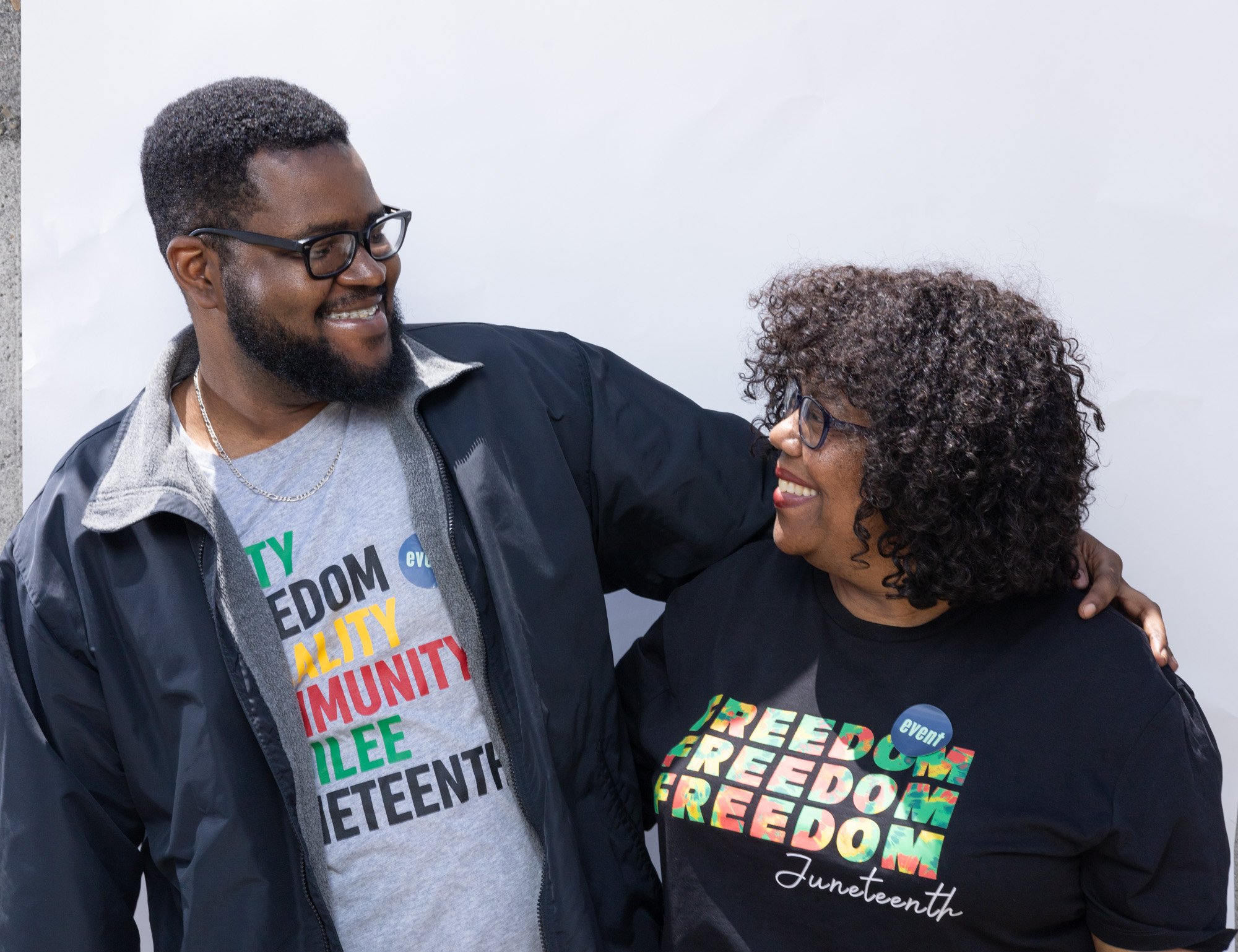
“Repair means honoring the history and taking the time to learn the history and making a commitment not to repeat the mistakes of the past,” Raylene said.
Chinua added: “Removing the barriers that were previously in people’s places to succeed in life particularly for younger people because they don’t have the same history and outlook on life and providing them with the same opportunities as everyone else so that they don’t have to have the same history of struggle.”
Maxwell Drati
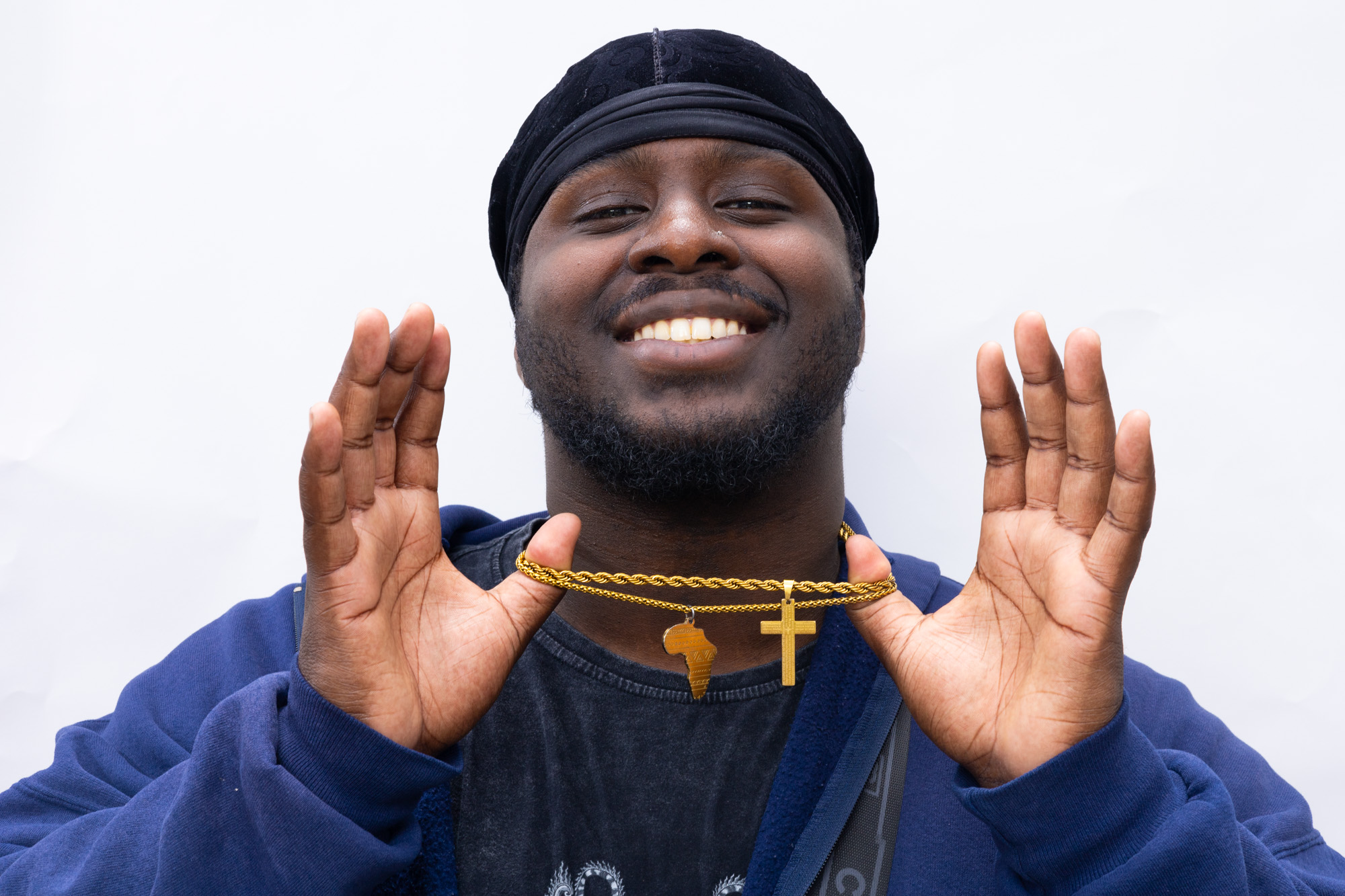
“Going beyond the money I want to see concentrated efforts by the government to repair the damage they’ve systemically done to our communities. I want to see pipeline being built for students who graduate from HBCU’s and colleges to full-time jobs. I want to see Black banks, businesses, hospitals, law offices. To me, reparations means giving us the ability to stand not just on one leg, but on two legs, to be able to compete in the race because it’s not fair that we were set back.”
Jess Bailey
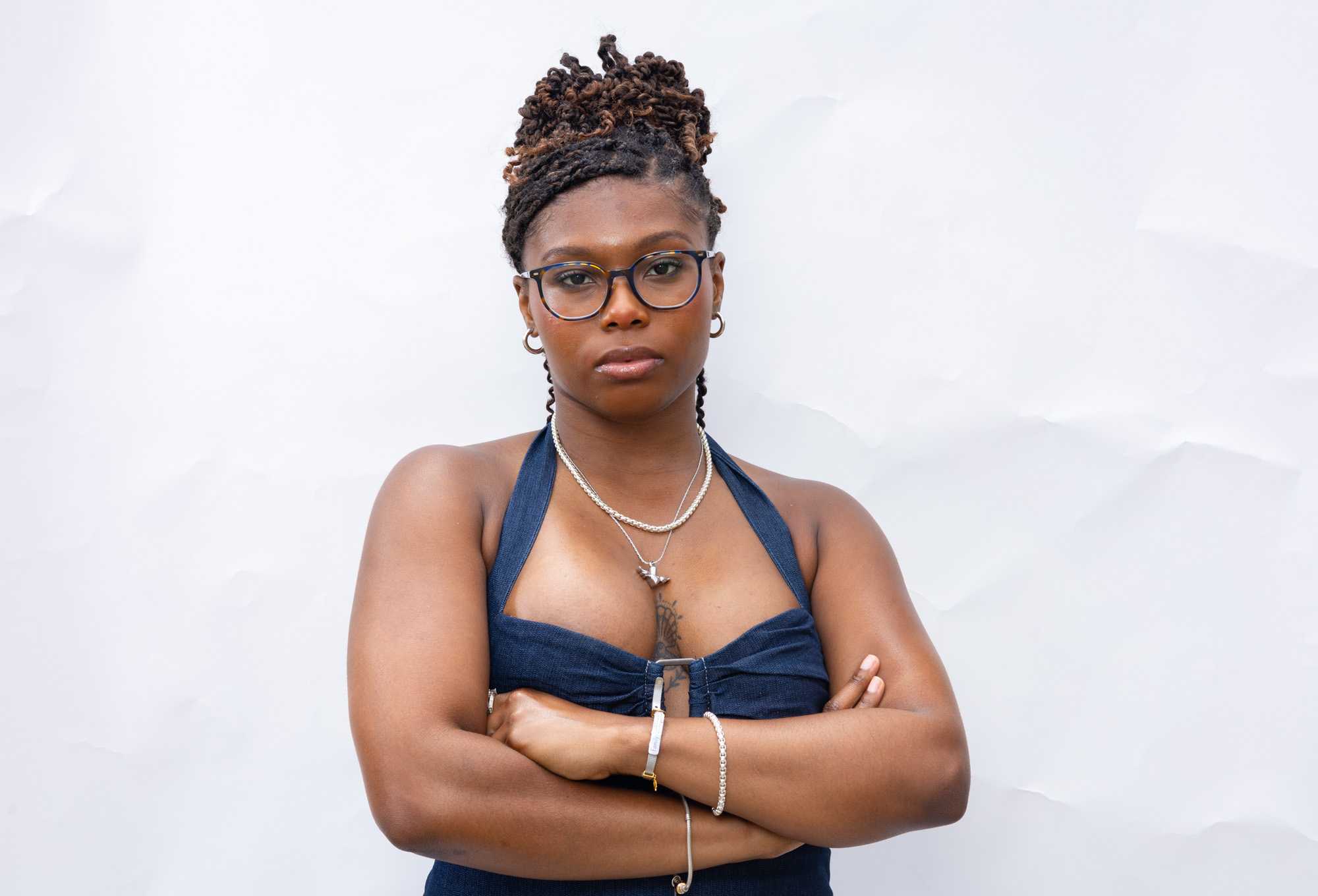
“I think some of what it means is taking responsibility for the economic conditions today that are directly responsible coming from slavery. I also would love for white people to get really clear about the ways that racism has been created on this land to disenfranchise everyone and the micro interactions that they have, even walking down the street, like when is your body tense around somebody who is Black, Latino, queer. To dig in and do the excavation of that work would be an excellent start.”
Jimi Ray and Asa Jean
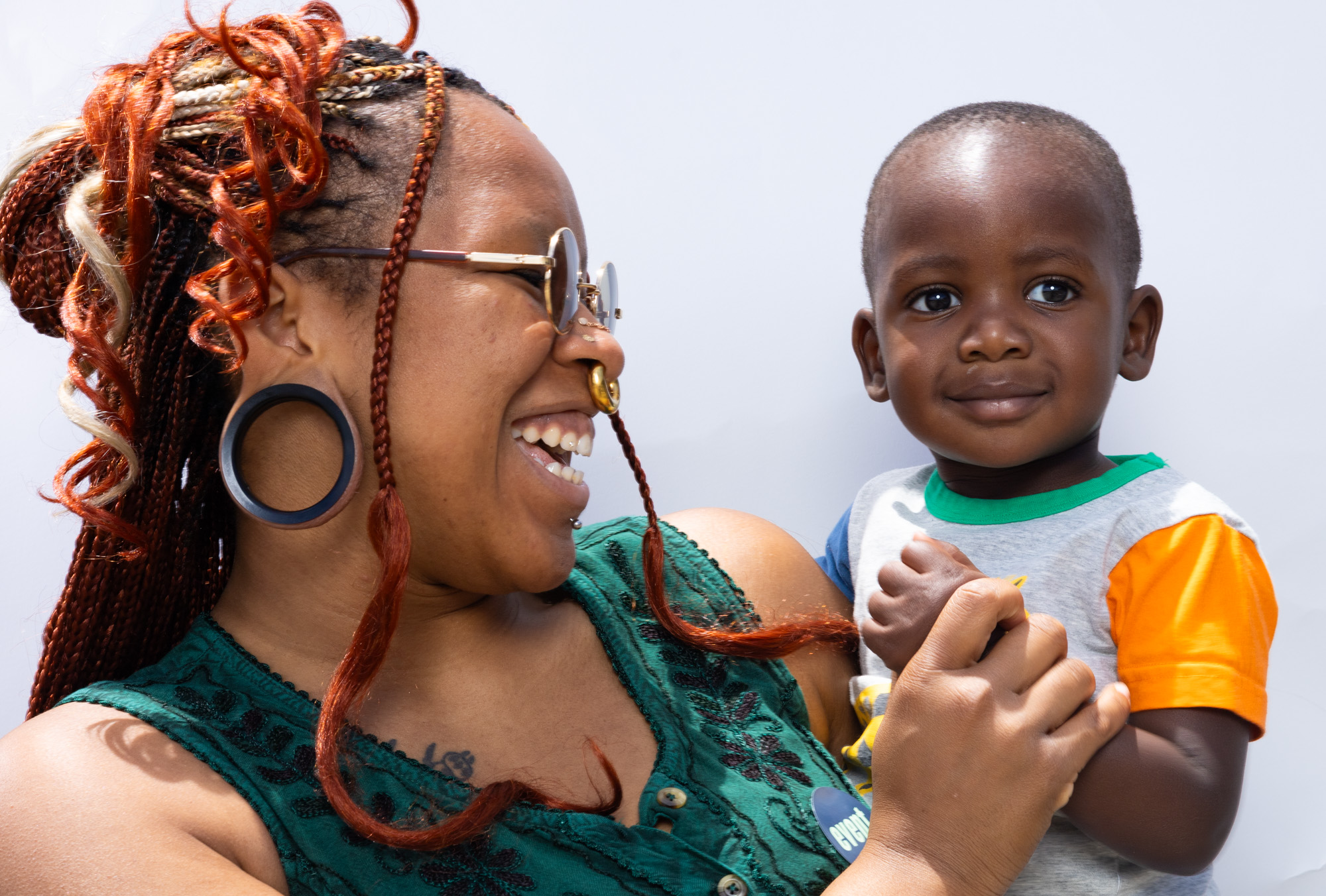
“To sum it up, there’s a saying that my grandmother said, ‘Don’t be surprised when you start tripping over the stuff that you keep sweeping under the rug,’ and I feel like we keep sweeping all of the sins of this country under the rug and getting shocked and surprised when it constantly comes back to biting us,” said Ray, Asa Jean’s nanny. “I think the first thing we need to do is actually start to address the problems instead of pretending that there aren’t any and that’s all I gotta say.”
Azayza Jimenez
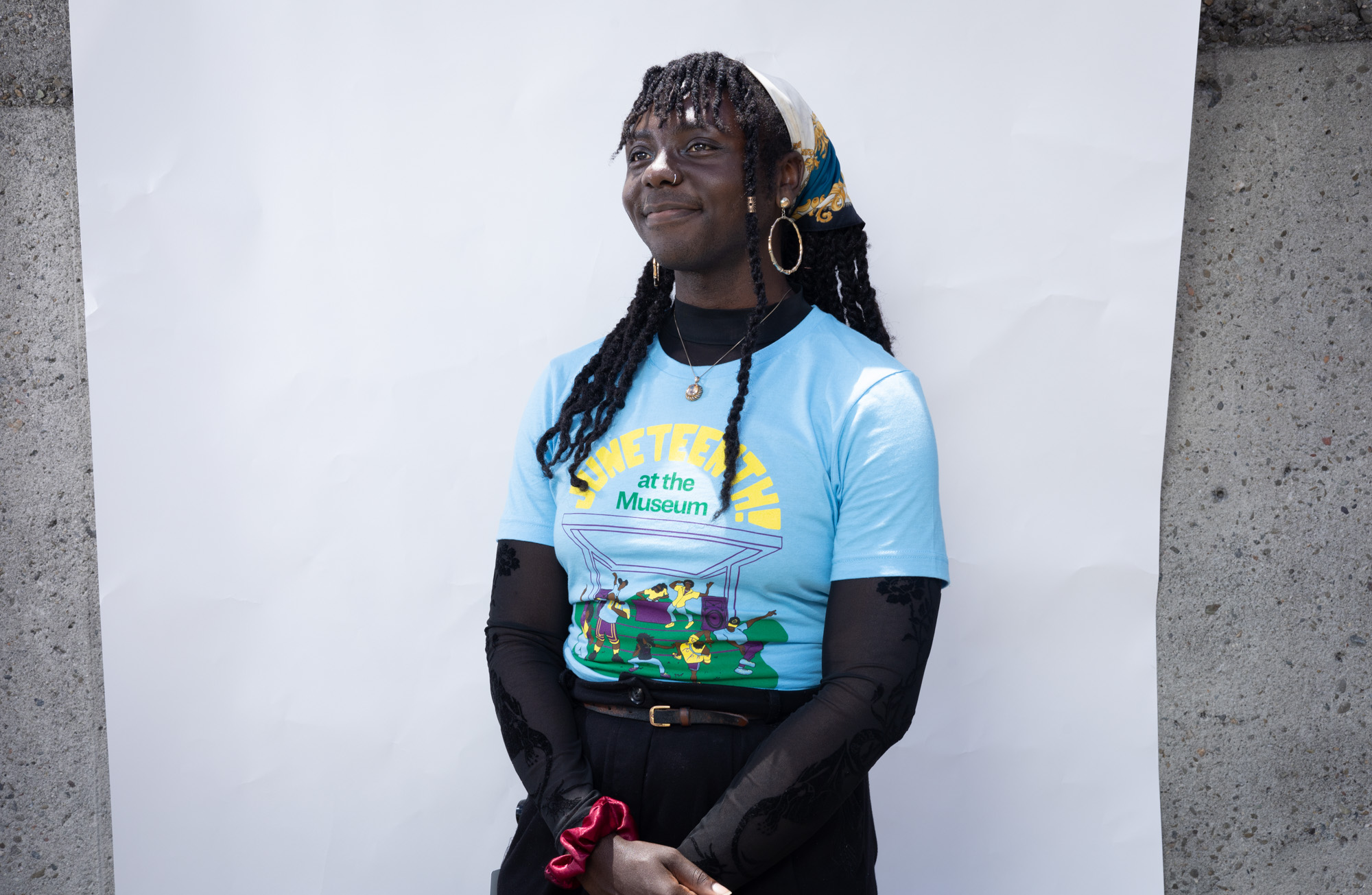
“Repair is taking every opportunity we can to be in joyous relationships with one another, especially in 2026. And just given the history of the United States, it is political to live in that good feeling and it is political to say that life is good. And for us to come together and to honor good life, it’s pushing against all of the forces that we don’t f— with right now. And it matters to be in community.”
Cameron Joy

“I feel like just everybody coming together no matter what race, just coming together and having a good time.”
Marc Philpart
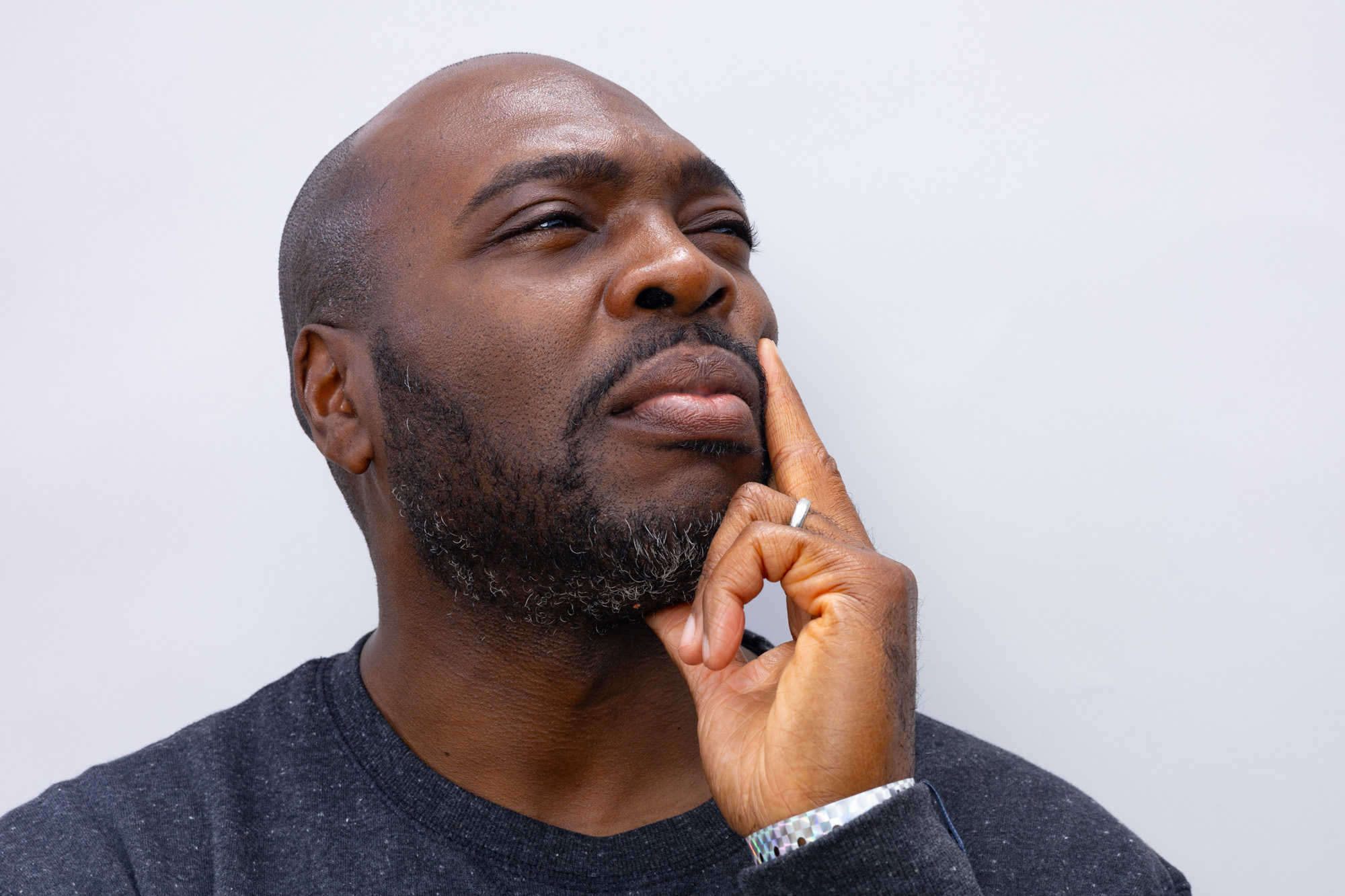
“Repair is justice. It is a freedom from poverty, brutality, violence and freedom from all of the injustices that continue to enshackle people to this day.”
Kendi Only and Maya Barnes
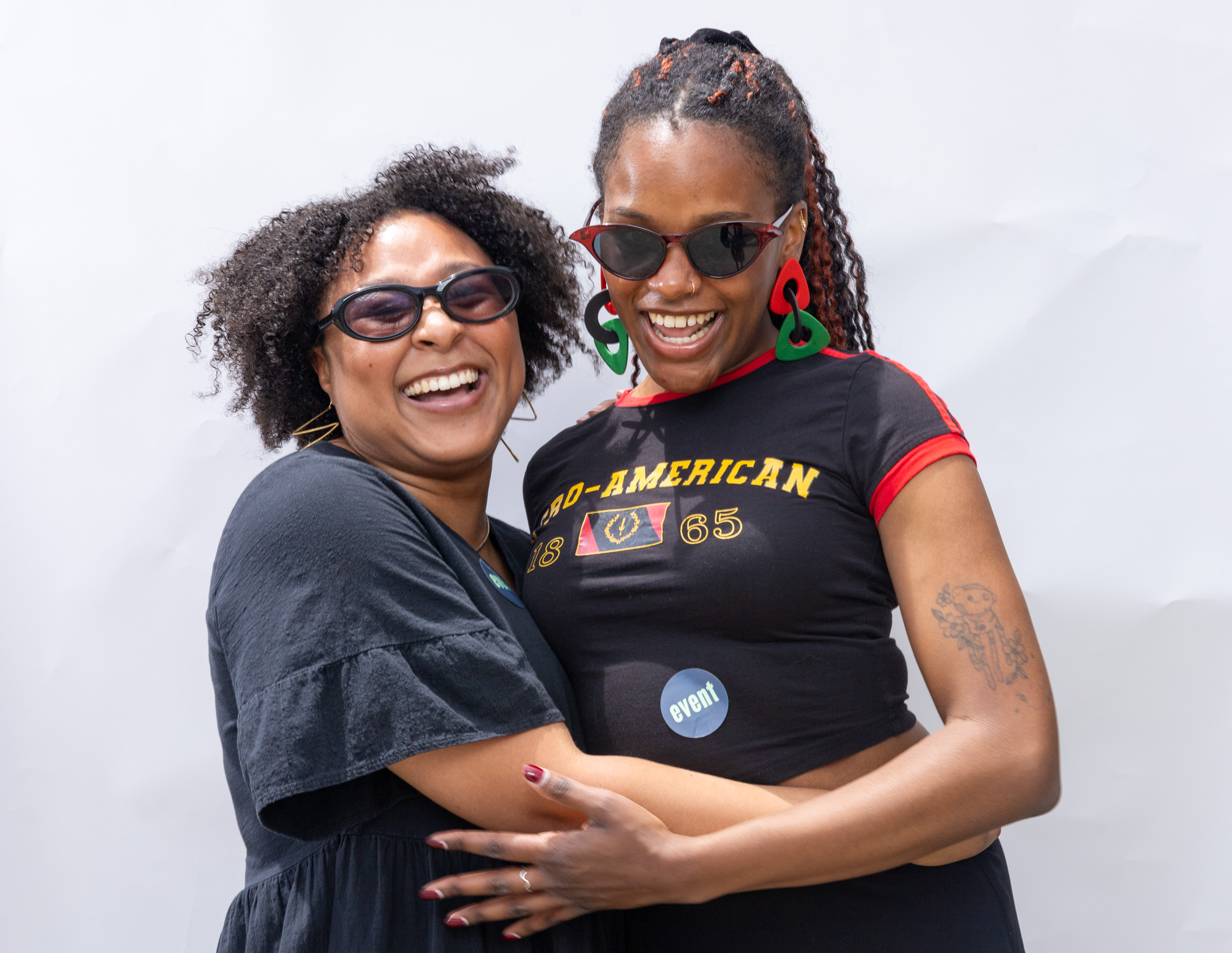
“Paying Black people what they deserve. You say you support it, —pay us,” Barnes said. “We suffered for so long and so many other people have gotten reparations, but we’ve never gotten anything and we’re still fighting just to be recognized in a lot of different places so I think just more of that all over every city.”
“Demolish the highway. Connect West Oakland to the rest of Oakland,” Only said.
KQED’s Otis R. Taylor Jr. and Gustavo Hernandez contributed to this story.
What Does Repair Look Like? Start Here.
What does reparations actually mean? Who is pursuing it? What policies are moving forward, and which remain symbolic? As conversations about repair grow across the country, understanding the facts has never been more important.
Subscribe to A Declaration of Repair, a weekly newsletter from KQED that follows the people, policies and ideas shaping the reparations movement. Through reporting, accountability tracking and analysis, we help readers understand how past harms continue to shape the present — and explore what efforts to repair them look like today.